Introduction to AI and Real Images
In recent years, the intersection of artificial intelligence (AI) and visual content has dramatically reshaped our understanding of images. AI-generated images, created using sophisticated algorithms and neural networks, can now mimic the intricacies of real-life photographs with astonishing accuracy. The advancements in machine learning techniques have paved the way for systems capable of producing visuals that are often indistinguishable from those captured by skilled photographers.
These developments in AI technology allow for the generation of images that can be utilized in various applications, including digital marketing, entertainment, and even art. Such capabilities raise critical questions regarding authenticity and reliability. As AI tools continue to improve, distinguishing between authentic and computer-generated images is becoming increasingly challenging, resulting in a need for enhanced awareness and discernment.
The importance of differentiating between AI-generated visuals and real images is underscored by implications for various sectors. For example, in journalism, the distribution of manipulated visual content can lead to misinformation, impacting public perception and trust. Similarly, in fields such as online commerce, consumers rely heavily on real images to make informed decisions about products.
Moreover, as social media platforms and online communities become saturated with both AI-generated and authentic images, users must develop a critical eye to navigate this complex landscape. The ability to identify the source of an image fosters transparency and ethical consumption of digital content, essential in an age where visual media plays a significant role in communication. Thus, understanding the distinctions between AI-generated images and real photographs is vital for engaging with the visual narratives that shape contemporary society.
The Evolution of Image Generation Technologies
The progression of image generation technologies has undergone significant transformations since the inception of computer graphics in the 1960s. The early attempts at generating images were rudimentary, mostly consisting of simple geometric shapes rendered on monitors through basic programming techniques. These initial efforts laid the groundwork for more sophisticated visual creations that followed.
Throughout the 1970s and 1980s, advancements in computer graphics technology began to introduce more complex visual elements, including texture mapping and ray tracing. These innovations allowed for the simulation of realistic lighting and shadow effects, which significantly improved the quality of generated images. Moreover, this period marked the emergence of 3D graphics, expanding the scope of image generation from mere 2D representations to intricate three-dimensional models.
Fast forward to the 1990s and the early 2000s, where the introduction of powerful graphics processing units (GPUs) revolutionized the field. With enhanced computational capabilities, artists and developers could now create highly detailed and realistic renders. The rise of digital photography further pushed the boundaries of image generation, encouraging the fusion of generated content and real photographs.
In recent years, artificial intelligence has taken center stage in image generation, particularly with the advent of Generative Adversarial Networks (GANs). This innovative approach employs two neural networks—a generator and a discriminator—working in tandem to produce strikingly realistic images. GANs have fostered a new era where machine-generated visuals often rival traditional photography in terms of quality and detail. As these technologies continue to evolve, the distinction between AI-generated and real images becomes increasingly blurred, showcasing the remarkable advancements in the field.
Key Characteristics of Real Images
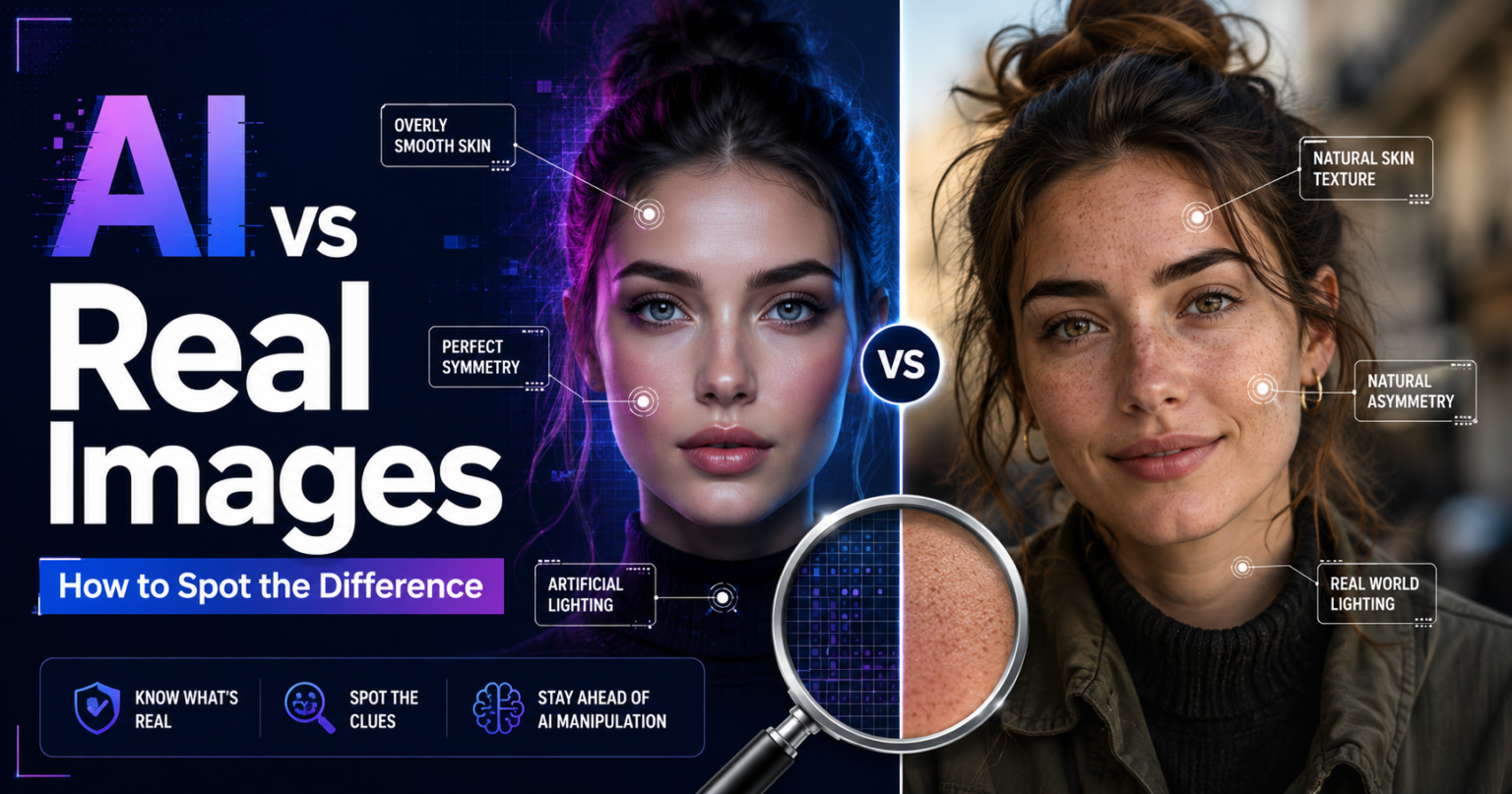
Real images possess a distinctive set of characteristics that differentiate them from AI-generated visuals. One notable attribute is the presence of natural imperfections. Unlike digital creations that may exhibit a flawless quality, real images often include minor flaws such as scratches, blemishes, or irregularities in shapes. These imperfections evoke a sense of authenticity, as they resonate with the human experience of the physical world.
Another significant characteristic of real images is the way light interacts with surfaces. Authentic lighting captures the nuances of shadows, highlights, and reflections, creating depth that is seldom replicated perfectly in AI-generated images. A photograph taken in natural light will display variations in brightness and color that result from the environment, making it relatable and believable to the observer. These elements contribute to the overall realism, enhancing the viewer’s connection to the image.
Additionally, real images often exhibit subtle textures that are crucial in conveying realism. Textures can be seen in the fine details of skin, fabrics, landscapes, or even objects, reflecting how light interacts with different surfaces. Natural textures contribute to the immersive quality of an image, inviting viewers to appreciate its complexity. Such textures may include the grain of wood, the roughness of stone, or the delicacy of petals, all of which help to establish a tangible connection with the viewer.
In essence, the uniqueness of real images stems from their ability to embody natural elements like imperfections, authentic lighting, and rich textures. These characteristics work together to create a visual narrative that resonates with observers, making the image not only realistic but also engaging and relatable to the human eye.
Identifying AI-Generated Images: Common Signs
As the sophistication of artificial intelligence (AI) continues to advance, distinguishing AI-generated images from real photographs has become increasingly challenging. However, several common indicators can help users identify images produced by AI systems. Recognizing these signs is vital for ensuring the credibility of visual content consumed online.
One of the most notable characteristics of AI-generated images is the presence of unnatural patterns. These might manifest as repetitive elements or anomalies that deviate from visual norms present in organic photography. For instance, when examining the texture of AI-produced images, one may notice inconsistencies where natural variations in materials should occur. AI systems sometimes struggle to replicate realistic textures, leading to smooth or overly uniform surfaces that lack depth.
Lighting also plays a critical role in differentiating AI-generated images from their real counterparts. AI models can produce images that have odd or inconsistent lighting, where shadows may not reflect the light source correctly or where highlights appear exaggerated. Such discrepancies can indicate the likelihood of an image being artificially created.
Another important factor to consider is perspective and proportions. AI often generates images with warped perspectives, particularly in complex scenes involving multiple subjects. This can result in distorted scales or misaligned elements that feel out of place. Paying close attention to how objects are positioned in relation to one another can provide insight into the authenticity of the image.
In summary, identifying AI-generated images necessitates a careful examination of visual details such as patterns, textures, lighting, and perspective. By honing these observational skills, individuals can enhance their capacity to discern between genuine photographs and those created through artificial means, contributing to a more informed digital landscape.
Technological Tools for Image Verification
In the digital age, distinguishing between authentic and manipulated images has become increasingly essential. Various technological tools and software are now available to assist users in verifying the authenticity of images effectively. One of the most widely utilized tools is reverse image search, which allows users to upload or input an image to find similar or identical images across the internet. This method is particularly useful for tracing the origin of an image and identifying unauthorized uses or manipulations. Popular examples of reverse image search engines include Google Images and TinEye.
Another crucial element in image verification is metadata analysis. Every digital image typically contains embedded metadata, which includes details such as the date, time, and location of the image capture. By examining this metadata, users can analyze the authenticity of the image. Software tools like ExifTool and Metadata2Go can extract and display metadata, helping users identify anomalies or discrepancies that might indicate manipulation.
AI-powered detection tools have emerged as advanced methods for image verification, enriching the toolkit for discerning real images from fakes. These tools utilize algorithms trained on vast datasets to identify signs of manipulation that may not be visible to the human eye. For instance, platforms like Sensity and Adobe’s Content Authenticity Initiative leverage artificial intelligence to provide robust analysis and provide users with actionable insights about an image’s authenticity. Such innovations are essential as the sophistication of image generation continues to evolve, emphasizing the need for reliable methods to verify visual content.
Overall, leveraging these technological tools for image verification can significantly enhance one’s ability to discern between real images and those that may have been altered. As the landscape of visual media continues to change, staying informed about these tools is crucial for both personal and professional use.
Cultural Implications of AI-Generated Images
The advent of AI-generated images has introduced a complex dynamic within the realms of photography, art, and media, shaping societal perceptions and cultural practices. It raises significant questions about authenticity and the nature of creativity in an age where machines can produce visually captivating content that often rivals the work of human artists. As AI technology continues to advance, the role of traditional photography and art may undergo profound transformations, leading to a blend of traditional and artificial imagery that can alter aesthetic appreciation.
The trustworthiness of AI-generated images poses additional concerns, particularly in the context of misinformation. In an era where images are often viewed as indisputable evidence, the ability to generate hyper-realistic pictures using AI could exacerbate the challenges of discerning truth from fabrication. This capability presents opportunities for manipulation, where fabricated images may be used to mislead audiences or to propagate false narratives, creating an environment where skepticism towards visual media becomes necessary.
Ethical considerations emerge prominently when discussing the impact of AI on artistic expression and intellectual property rights. Questions arise regarding the ownership of AI-generated works and the appropriate recognition for the contributions made by human creators. Moreover, the potential for domination of AI in creative sectors could threaten livelihoods for photographers and artists, leading to a cultural reckoning around what it means to create and to appreciate art. As society grapples with these implications, it becomes crucial to foster discussions that promote ethical practices while embracing technological advancements. The integration of AI in image generation should be pursued thoughtfully, ensuring that cultural values and human creativity remain at the forefront of this transformative journey.
Case Studies: Real vs AI Images
In the rapidly evolving digital landscape, distinguishing between real and AI-generated images has become a critical skill. This section explores various case studies that illustrate the differences between authentic photographs and their AI counterparts, providing valuable insights into the nuances of image recognition.
One notable case study involved a high-profile advertising campaign where both real and AI-generated images were tested. Experts analyzed the visual cues that typically indicate artificial generation, such as the inconsistency in shadows, unnatural textures, and unusual facial features that do not adhere to human anatomy. In one instance, an AI-generated image of a model displayed an uncanny valley effect, causing viewers to find it unsettling. The subtlety of the expression and the irregularity in skin texture highlighted critical differences, demonstrating how trained professionals can spot discrepancies effectively.
Another case study focused on social media platforms where AI-generated images often circulate with high levels of engagement. A team of digital forensics specialists categorized images based on their likelihood of being real or AI-generated. They found that not only face shapes but also backgrounds presented errors typical of AI generation—objects sometimes fused unnaturally or backgrounds appeared overly simplified. This analysis emphasized the importance of contextual cues when evaluating images.
Moreover, technological advancements in AI have led to increasingly sophisticated image generation tools, which further complicate this differentiation. Expert opinions indicate that while AI can now replicate realistic features convincingly, certain markers remain emblematic of generated content. Understanding these elements empowers users to critically evaluate images they encounter in professional environments.
By closely examining these real-life case studies, one gains a deeper appreciation of the discernible characteristics that separate AI images from genuine photographs. Gaining familiarity with these attributes is essential in navigating a world increasingly populated by AI-generated visuals.
Future Trends: The Next Generation of Image Generation
The rapid advancements in artificial intelligence (AI) are significantly transforming the landscape of image generation. As we look ahead, emerging technologies are poised to elevate the realism of AI-generated images to unprecedented levels. With innovations such as generative adversarial networks (GANs) and deep learning techniques, creators are continually refining the capabilities of AI systems to produce stunningly lifelike visuals.
One of the most exciting prospects in this field is the evolution of intuitive user interfaces, which enable even those with limited technical expertise to create high-quality images. As software tools become increasingly sophisticated yet user-friendly, a wider array of individuals can participate in generating images. This democratization of image creation may result in a surge of creativity, leading to novel applications across various industries ranging from advertising to digital art.
Moreover, the integration of AI with augmented reality (AR) and virtual reality (VR) technologies is anticipated to further blur the lines between AI-generated and real images. As AR becomes more prevalent, the seamless incorporation of virtual elements into the physical world will challenge perceptions of authenticity. Users will experience environments where AI-generated visuals appear indistinguishable from actual objects, creating new opportunities for interactive storytelling and immersive experiences.
As these technologies advance, ethical considerations surrounding AI image generation will also need to be addressed. The potential for misuse—such as the creation of misleading or harmful visuals—necessitates thoughtful regulation and standards to ensure responsible use. As we continue to navigate the implications of these developing technologies, the distinction between AI-generated content and real imagery will likely diminish, prompting a reevaluation of authenticity in visual media.
Conclusion: The Importance of Critical Visual Literacy
In a world rapidly evolving with advancements in technology, the distinction between AI-generated images and real photographs has become increasingly obscure. This shift necessitates a heightened level of critical visual literacy among individuals to navigate the complexities of image authenticity. As we continue to engage with a plethora of digital media, the ability to discern genuine images from artificial constructs will be paramount in fostering informed opinions and decision-making.
Critical visual literacy encompasses a set of skills that enables individuals to analyze, evaluate, and interpret visual content effectively. This skill set becomes particularly crucial when encountering deepfakes or digitally manipulated images that could potentially mislead viewers. With the prevalence of AI in image creation, understanding the methodologies behind image generation is essential. Moreover, this knowledge empowers individuals to identify patterns, techniques, and technologies utilized in AI images, thereby enhancing their capacity to critically assess visual information.
Encouraging the development of these skills can ultimately lead to a more discerning public, better equipped to navigate the media landscape. Educational initiatives that focus on digital literacy, including the critical examination of images, will serve to bolster society’s resilience against misinformation and manipulation. As technology continues to advance, fostering critical visual literacy will not only cultivate a more informed citizenry but also enhance the appreciation of genuine artistry. In a rapidly changing digital age, equipping ourselves with these discernment skills is not merely beneficial; it is essential for sustaining the integrity of information and communication.